 |
||||||||||||||||||||||||||||||
The Kruger National Park in South Africa, |
||||||||||||||||||||||||||||||
 Introduction |
 Accommodation Options |
 Acc. availability, Tariffs, Reservations |
 Map of the Park (click again to enlarge) |
 All about the rest camps |
 Fauna and Flora |
 History of the Park |
Videos |
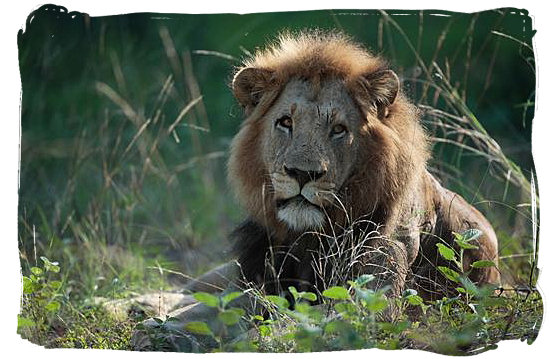
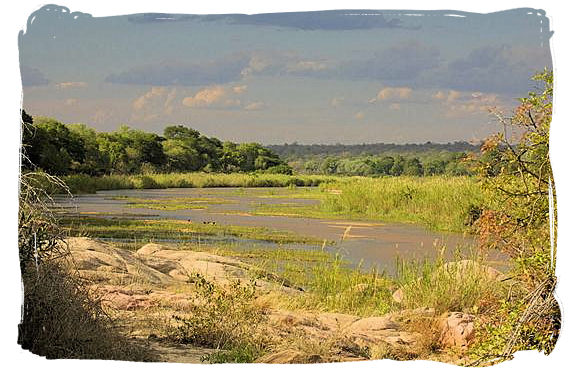
Almost as large as a small country like the Netherlands, Israel or Wales, the Park consists of 20,000 sq km of unspoiled pristine indigenous bushveld, sub-tropical lowveld vegetation, fertile valleys and terraced hills.
With an average width of 60km it stretches north for almost 400km from its southern boundary the Crocodile river, all along the Lebombo mountains which form the national border with Mozambique in the east, to its northern boundary, the Limpopo river, which is South Africa’s national border with Zimbabwe.
Plans are well under way to combine the Kruger Park with the Limpopo National Park in Mozambique and the Gonarezhou National Park, Manjinji Pan Sanctuary and Malipati Safari Area in Zimbabwe, creating the world's biggest wildlife reserve, the giant 35,000 sq km across borders “Great Limpopo Transfrontier Park”.
copyright © Chris Eason
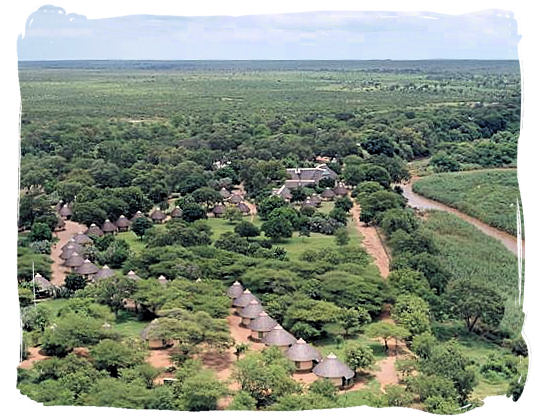
The type of accommodation offered is in the form of Chalets, Cottages, Bungalows, Tents, Camping sites, Bushveld camps, Bush lodges and Safari lodges, varying in price and style from rustic to luxurious.
Next to accommodation, the major rest camps also offer facilities such as a Supermarket, Cafeteria and/or Restaurant, Petrol station, ATM banking, Public telephones, Laundry service, designated Picnic area,Communal kitchen, Ablution facilities, a Swimming pool and Pharmaceutical and Medical services.
copyright © South African tourism
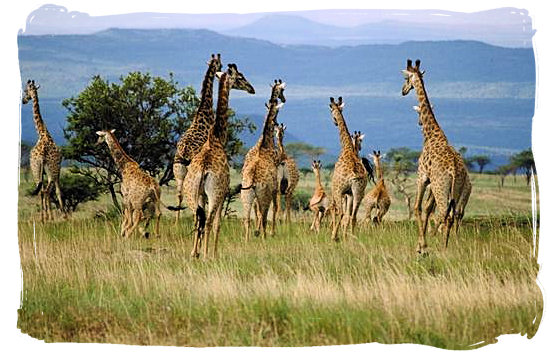
The answer to that cannot be that difficult. When you visit the Park, you go there for only one reason and that is to see the animals and the birds and to enjoy the African bushveld ambiance and scenery. At the top of your list will be the "Big 5", Lion, Leopard, Elephant, Rhino and Buffalo.
One of the best ways to do this is to tour around the park by car. Driving yourself in your own car (or a rented one), is a lot of fun and a very effective way of finding and observing the wildlife, even for first timers. It also enables you to decide for yourself what you want to do and where you want to go.
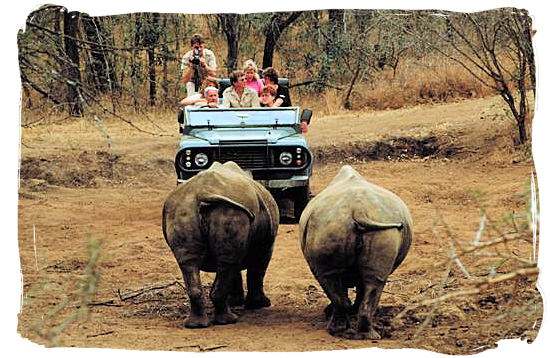
Next to the self-drive option, most of the rest camps in the Park offer game drives in one of their safari vehicles, under the guidance of a ranger. These game drives usually take place three times a day, in the early morning hours, in the late afternoon and at night, giving you the opportunity to search animals during the hours when they are most active.
The advantage is that most of the times your guide is a resident ranger of the rest camp offering the game drive, who knows the movement of the animals in the region around the camp and where to find them. You will learn a lot from him and see a lot more then you might have on your own.
copyright © South African tourism
They usually consist of a group of maximum 8 people under the guidance of experienced and armed rangers, who will share their experience of the bush and explain its natural marvels.
For the true African bushveld lover, there is the Kruger Park wilderness trail hiking experience. As part of a group of maximum 8 hikers and 2 rangers you will go on a African bushveld hiking tour for 3 days and 2 nights.
The tour consists of 3 circular routes, one for each day, starting in the morning and returning in the evening from and to the same small bush camp. There is no way that you can get closer to the animals than on this tour, truly a breathtaking experience.
copyright © South African tourism
The Kruger National Park is situated in the southern hemisphere (south of the equator), so keep in mind that the seasonal periods are opposite to those in the northern hemisphere (south of the equator).
The summer months which are hot and humid with temperatures often as high as 38° C (100° F) are October to April.
This is also the wet season in the Park. Not that it rains all day, but rather a regular pattern of afternoon thunder storms, which can be torrential.
Water is plentiful, causing the animals to spread out across the park. This, together with the lush vegetation makes them less visible and more difficult to spot during this period.
The winter months which are mild and warm with a low humidity and with temperatures varying between 17° and 22° Celsius (60° to 70° F) are May to September.
This is the dry season with practically no rainfall at all. At night it can cool off strongly, so bring some warm clothing for the night and early morning game drives.
Because there is much less water around in the Park during this period, the animals will concentrate around the permanent water sources. Together with the vegetation thinning out they will become more visible and easier to find.
copyright © Tony Faria
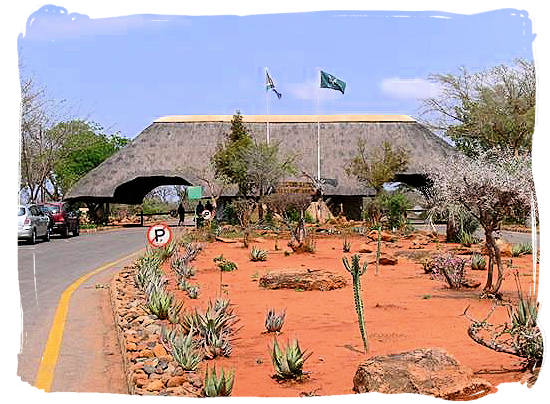
Actually, the Kruger National Park is a great destination all year round. Each season has its own appeal.
Pro's and con's of the winter season are:
- The animals are easier to spot with the reduced water supply and the vegetation thinning out.
- It is the low season so the roads and camps will be less busy.
- Sunny and blue skies with no rain.
- Mild temperatures during the day with low humidity.
- Dry, windy and dusty outdoor conditions.
- Game drives in the early morning and at night are quite cold.
Pro's and con's of the summer season are:
- The green and fresh scenery is beautiful and at its best.
- The animals are in prime condition and their new offspring are a joy to observe.
- With all the migratory birds present, the bird lovers will have a great time.
- Game viewing is not as good as during the winter.
- It can become quite humid and hot around the middle of the day.
- It is high season, so the camps and roads will be a busier.
Most of the seasoned Kruger Park visitors consider the period in between the wet and dry season and in particular late winter and early spring as the best time to visit the park.
Because they have the best of both. At the end of the winter the water supply is still reduced to the number of permanent resources and the grass is still thin and low, with game viewing opportunities still at maximum.
At the same time with the spring starting up, everything comes to life. Trees are developing new buds, the grass flashes its first freshly green and to top it all the birthing season in the bush takes off. All in All a wonderful experience.
Accommodation availability, tariffs and reservations
In the tables below you will find a wealth of information on every single rest camp in the Kruger National Park.
- The rest camp names are buttons (links) that will take you to all the information you might want on each one of them.
- The Accommodation, Availability, Tariffs and Reservations are buttons (links) that will take you directly to the relevant pages for each rest camp on the website of the South African National Parks Board, enabling you to to make your own reservations and do your own bookings online.
| Sable | Accommodation | Availability | Tariffs | Reservations |
| Shipandani | Accommodation | Availability | Tariffs | Reservations |
| Boulders | Accommodation | Availability | Tariffs | Reservations |
| Roodewal | Accommodation | Availability | Tariffs | Reservations |
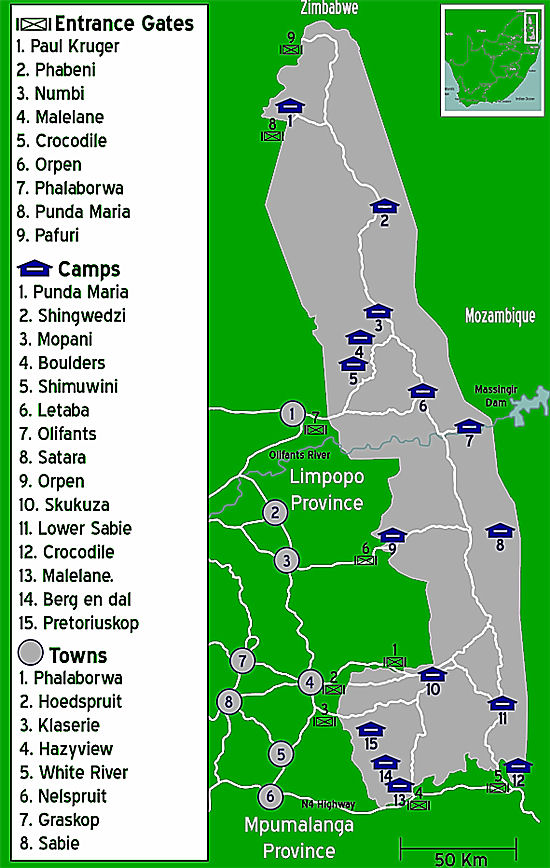
entrance gates and surrounding towns
Kruger National Park Safari 1
Filmed and Edited by Brendan Goldberg. His comments: "This was a great trip! We saw so many incredible animals! Thank you for watching!
Big Five safari in the Kruger National Park
Filmed and Edited by Harry Mateman. His comments:
The Big Five: Lion, Leopard, Elephant, Buffalo and Rhinoceros. Apart from the rhino we saw
these animals throughout the park (rhino only in the south). Exciting was to watch a pride of
lions stalking zebras. You must be lucky to see a leopard nearby, but the other animals can often
be seen from your car at a short distance. Best place to meet the big five in a short time is
near Skukuza (we saw them once within 2 hours of spotting). When you are driving your own car,
try to contact a guide of an organised tour (they often know where to find the animals).
The best way to achieve the maximum of your Kruger National park experience is the self-drive option, driving your own or a hired vehicle. It gives you the opportunity to customize your visit to the Park entirely according to your own wants and requirements. Essentials to have with you in your car are: Binoculars, something warm to wear, drinks and snacks, camera, map and litter bag.